All Categories
Featured


Modern Enterprise Systems to Drive Growth
Table of Contents
Lots of marketing platforms and consultancy sites offer free or paid templates developed to assist business through competitive market analysis. These include SWOT matrices, competitor profiling sheets, and comparison control panels. A great design template will help guarantee you consider key components such as target audiences, pricing, value proposition, client experience, and digital footprint.
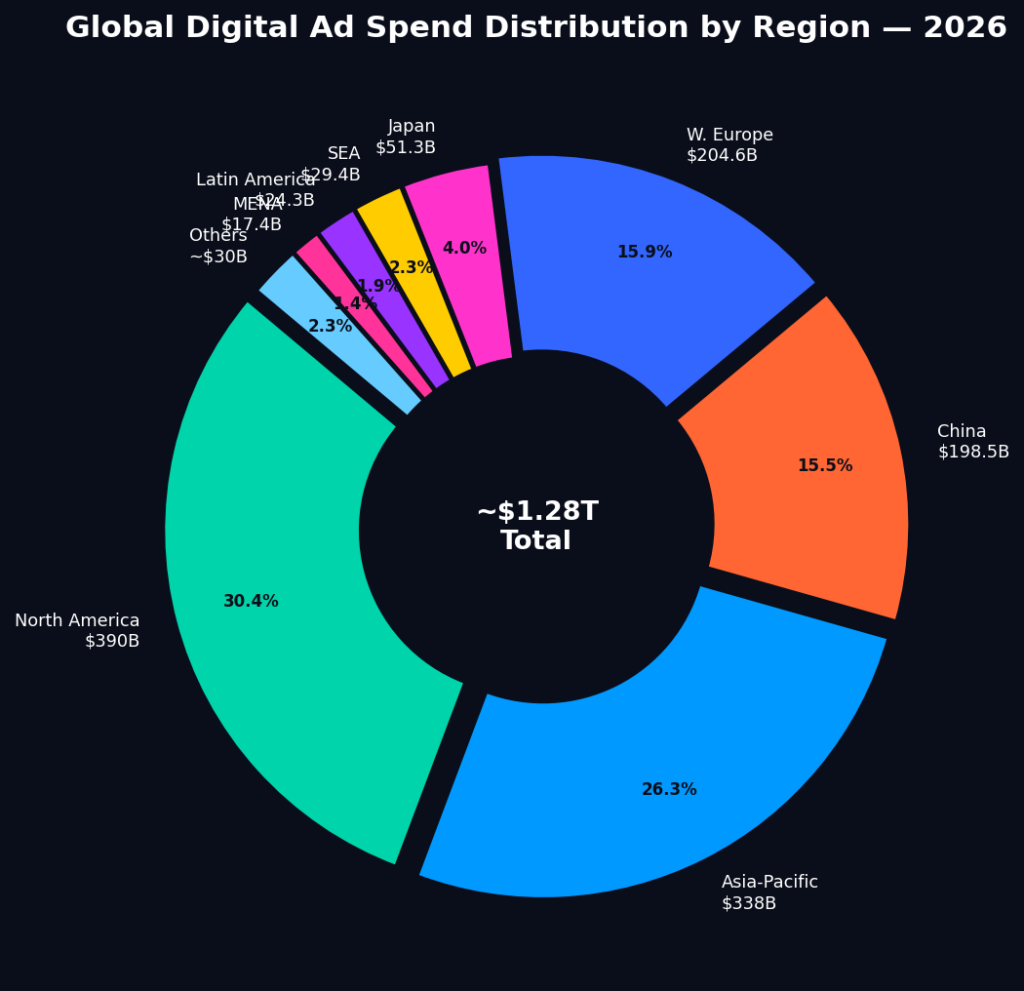
[target2:anchor_exact1]Reports from sources like Statista, IBISWorld, and Mintel supply valuable insights into market share, customer trends, macroeconomic factors, and competitive shifts throughout markets. For organizations aiming to comprehend the wider competitive landscape or criteria their performance, signing up for these reportsor dealing with a marketing research agencyis frequently worth the financial investment.
You can compare domain traffic, keyword rankings, paid advertising invest, backlink strategies, and material efficiency. These platforms are indispensable for digital-first business and are significantly being used by traditional players to remain competitive in online markets. Platforms such as Brandwatch, Hootsuite Insights, or Grow Social can assist examine public understanding and screen engagement metrics.
This type of insight goes beyond what standard surveys can capture and feeds into a more dynamic understanding of your rivals' brand name health. One form of competitive research frequently underused is mystery shopping or competitor product testing.
These firms use personalized competitor research, customer segmentation, trend forecasting, and benchmarking customized to your tactical objectives. They can likewise help in conducting market analysis and competitors reviews that specify to geographical regions or industry verticals. Whether you're in B2B or consumer markets, these tools and methods offer scalable choices to make your rival intelligence more actionable and precise.
2026 Industry Forecasts and Growth Factors
The true advantage of examining competitors is not only understanding where you stand, but also using those insights to remain ahead. Below are 5 useful methods business are preserving their edge in 2024 and beyond. The most effective brands no longer deal with competitor market analysis as a one-time audit. Leading companies build automated tracking systems that keep an eye on market competitors across digital channels, pricing databases, item listings, and press coverage.
The overlap in between customer expectations and rival blind areas is where development opportunities frequently lie. Being aware of your rivals is crucial, however simply copying them will not guarantee market share.
Markets are moving much faster, and competitive pressures can change rapidly. Developing a culture where your team is encouraged to pivot when brand-new information ends up being available helps guarantee your methods remain pertinent.
Understanding these limitations helps guarantee that your findings are interpreted correctly and used wisely. Not all rival information is public or reliable. Some businesses might use numerous brand names or channels that make tracking hard. Others might limit disclosures in monetary reports or marketing materials. Constantly cross-check info from several sources and utilize trustworthy tools to decrease mistakes.
Analyzing Business Performance Reports
Instead of producing worth, business might wind up chasing trends. This approach dilutes brand name identity and often results in strategic confusion. A well-rounded analysis consists of both competitive intelligence and a strong understanding of your core worth proposal. With many tools and metrics offered, groups can end up being overwhelmed. Too much information without a clear framework can lead to decision paralysis.
A typical mistake is seeing competitive research study in isolation. Market patterns, consumer habits, regulatory modifications, and financial forces all shape results. Your analysis should sit within a broader marketing research and competitive analysis technique. Some teams invest too long analyzing rivals and not sufficient time acting on the insights.
As competition heightens across industries, the way businesses approach competitive market analysis is undergoing a dramatic shift. Traditional methods of keeping an eye on rivals are being enhancedor in some cases, replacedby advanced, technology-driven techniques. For brands intending to lead instead of follow, comprehending and embracing these emerging trends is no longer optional.
[target1:anchor_exact1]Agility matters more than perfection. Markets are moving much faster, and competitive pressures can alter quickly. Developing a culture where your team is motivated to pivot when new data appears assists guarantee your methods remain pertinent. The most reliable companies are those that examine and modify their plans routinely in reaction to fresh competitor intelligence.
Understanding these limitations assists guarantee that your findings are translated properly and used sensibly. Not all competitor data is public or trusted. Some services might use numerous brand or channels that make tracking hard. Others might limit disclosures in financial reports or marketing products. Constantly cross-check info from multiple sources and use credible tools to decrease mistakes.
Optimizing Existing Sector Positioning
A well-rounded analysis includes both competitive intelligence and a strong understanding of your core worth proposal. With so many tools and metrics readily available, teams can end up being overloaded.
A common mistake is seeing competitive research study in isolation. Your analysis should sit within a wider market research and competitive analysis strategy.
As competition intensifies throughout industries, the method services approach competitive market analysis is undergoing a remarkable shift. Traditional approaches of keeping track of competitors are being enhancedor sometimes, replacedby advanced, technology-driven methods. For brand names intending to lead rather than follow, comprehending and embracing these emerging trends is no longer optional.

Latest Posts

Data-Backed Growth Strategies for Regional Leadership
Upcoming Sector Growth Trends for Domestic Businesses
Why Market Analysis Fuels Business Expansion